 : +91-9925709963
Introduction
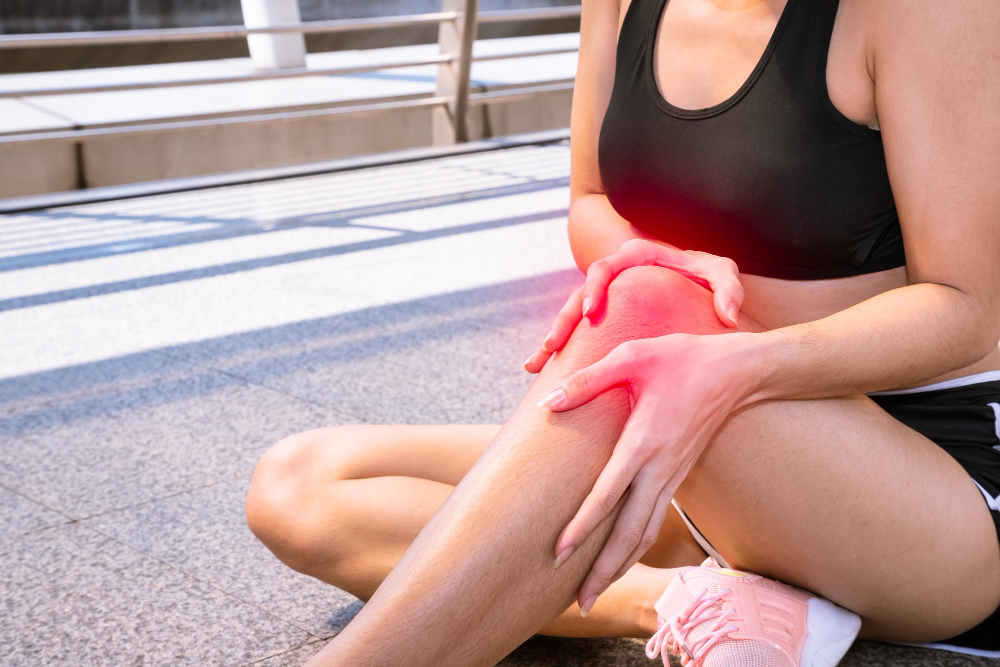
Patellar tendinitis is a common knee problem. Many people call it “jumper’s knee.” This condition happens when the tendon connecting your kneecap to your shinbone becomes inflamed. The patellar tendon helps you straighten your leg. Because of this, patellar tendinitis can make daily activities hard. Athletes, especially those who jump often, are at higher risk. However, anyone can develop this injury. Understanding patellar tendinitis is important for early care and quick recovery.
Symptoms
Patellar tendinitis often starts with mild pain. Over time, the pain can get worse. You may notice symptoms like:
Sometimes, the pain may continue even when you rest. If you notice these signs, it is wise to pay attention early.
Causes and Risk Factors
Patellar tendinitis develops when the patellar tendon is overused. Repeated stress can cause tiny tears in the tendon. Over time, these tears lead to pain and swelling. Several factors can increase your risk, such as:
In addition, being overweight can put extra stress on your knees. Age may also play a role, as tendons lose strength over time.
Diagnosis
Doctors diagnose patellar tendinitis by asking about your symptoms and examining your knee. They may press on the tendon to check for pain. Sometimes, they will ask you to move your leg in different ways. In some cases, your doctor may order tests, such as:
Early diagnosis helps prevent further injury. Therefore, it is important to see a doctor if knee pain does not improve.
Treatment Options
Treating patellar tendinitis usually starts with simple steps. Most people recover without surgery. Common treatment options include:
In rare cases, doctors may suggest injections or surgery. However, most people recover with proper care. According to the CDC, early treatment leads to better outcomes.
Prevention and Lifestyle Tips
Preventing patellar tendinitis is possible with a few simple steps. Here are some tips to protect your knees:
Additionally, keeping a healthy weight can reduce knee stress. If you feel pain, take a break and let your knee rest.
When to See a Doctor
Sometimes, knee pain does not go away with rest. If you notice these signs, you should see a doctor:
Early medical care can prevent more serious problems. Therefore, do not ignore ongoing knee pain.
Conclusion
Patellar tendinitis can affect anyone, but early care helps recovery. With rest, therapy, and healthy habits, most people heal well. For the best results, consult an orthopedic specialist for personalized advice.