 : +91-9925709963
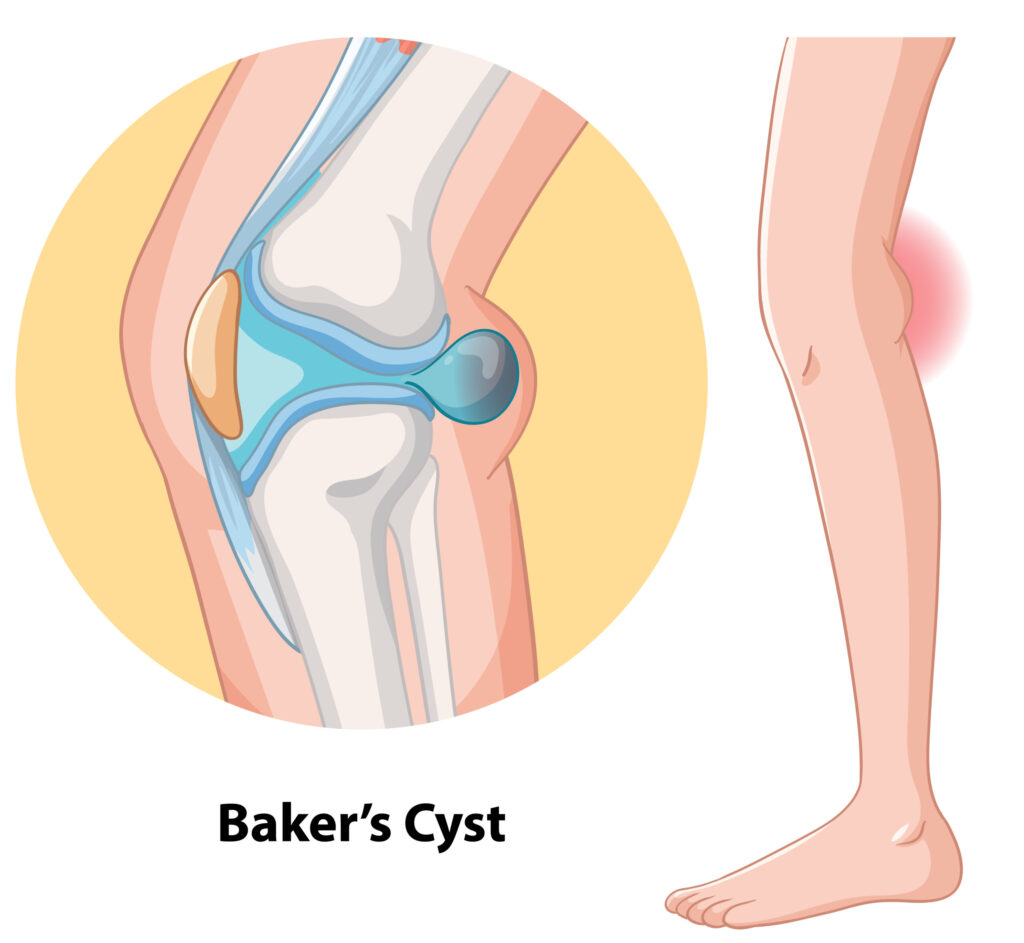
What is a Baker’s Cyst?
Baker’s Cyst is a fluid-filled swelling that forms behind the knee. It is also called a popliteal cyst. Often, this swelling can cause discomfort or tightness. Many people notice a lump or bulge at the back of the knee. Sometimes, Baker’s Cyst can make it hard to bend or straighten your knee. Because it is linked to knee problems, it is important to understand what causes it and how to treat it. According to the CDC, Baker’s Cyst is common in adults with knee injuries or arthritis.
Common Symptoms
Usually, Baker’s Cyst symptoms are easy to spot. However, some people may not notice any signs. Here are the most common symptoms:
In some cases, the cyst can burst. If this happens, you may feel sharp pain, redness, or swelling in your calf. Therefore, it is important to watch for sudden changes.
Causes and Risk Factors
Baker’s Cyst often develops because of other knee problems. For example, injuries or diseases that cause knee swelling can lead to a cyst. The most common causes include:
Additionally, some people are more at risk. Older adults and athletes often get Baker’s Cyst. If you have a history of knee swelling behind the knee, you may be at higher risk.
How Baker’s Cyst is Diagnosed
Doctors use several steps to diagnose Baker’s Cyst. First, they will ask about your symptoms and check your knee. Then, they may use tests to confirm the diagnosis. These tests include:
Because other problems can also cause swelling, these tests help doctors choose the right treatment. If you need Baker’s Cyst treatment in your area, ask your doctor about local options.
Treatment Options
Many Baker’s Cysts go away on their own. However, some need treatment if they cause pain or limit movement. Common popliteal cyst treatments include:
Most people feel better with simple treatments. Still, it is important to treat the cause, such as arthritis or a knee injury.
Prevention and Lifestyle Tips
While you cannot always prevent Baker’s Cyst, you can lower your risk. Try these tips to keep your knees healthy:
By caring for your knees, you may avoid future problems. In addition, early treatment of knee issues can stop cysts from forming.
When to See a Doctor
Sometimes, Baker’s Cyst can cause serious problems. You should see a doctor if you have:
These signs could mean the cyst has burst or there is another problem. Therefore, do not wait to get medical help.
For the best care, consult an orthopedic specialist for personalized advice on Baker’s Cyst.