 : +91-9925709963
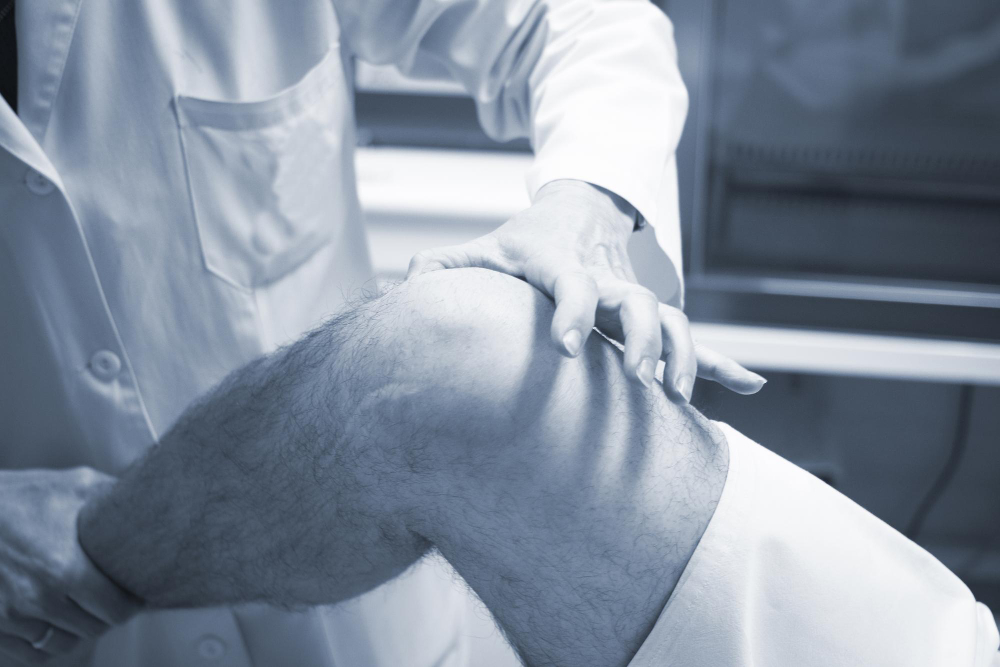
Introduction to Knee Arthroscopy
Knee arthroscopy is a minimally invasive knee surgery. Doctors use it to look inside your knee joint and treat problems. During this procedure, a small camera and tools are inserted through tiny cuts. As a result, recovery is often faster than with open surgery. Many people choose knee arthroscopy to relieve pain and improve movement. According to the American Academy of Orthopaedic Surgeons, this surgery is common and safe.
Common Symptoms and Conditions Leading to Knee Arthroscopy
Doctors may suggest knee arthroscopy if you have certain symptoms or conditions. For example, you might need this surgery if you experience:
Often, knee arthroscopy helps treat problems such as torn cartilage, damaged ligaments, or loose bone fragments. Sometimes, it is used to diagnose unexplained knee pain.
How Knee Arthroscopy Is Performed
First, you will receive anesthesia to keep you comfortable. Next, the surgeon makes a few small cuts around your knee. Through one cut, a tiny camera called an arthroscope is inserted. This camera sends images to a screen, allowing the doctor to see inside your knee. Then, special tools are used through other cuts to repair or remove damaged tissue. After the procedure, the cuts are closed with stitches or small strips. Usually, the surgery takes less than an hour.
Diagnosis and Preparation Before Surgery
Before knee arthroscopy, your doctor will ask about your symptoms and medical history. You may need tests such as X-rays or MRI scans. These tests help find the cause of your knee problem. Your doctor will also explain the procedure and answer your questions. In addition, you may need to stop certain medicines before surgery. It is important to follow all instructions to prepare for a safe procedure.
Recovery Process and Timeline
After knee arthroscopy, most people go home the same day. However, you will need someone to drive you. At first, your knee may feel sore or swollen. You should rest and keep your leg raised. Ice packs can help reduce swelling. Your doctor may suggest gentle exercises to improve movement. Most people return to normal activities within a few weeks. Still, full recovery may take several months, depending on the problem treated. For example, athletes may need more time before returning to sports.
Benefits and Potential Risks
Knee arthroscopy offers many benefits. For instance, it uses small cuts, so there is less pain and faster healing. You may also have a lower risk of infection compared to open surgery. However, like any surgery, there are risks. These may include:
Although problems are rare, it is important to know the risks. Your doctor will discuss these with you before surgery.
Tips for Post-Surgery Care and Rehabilitation
Proper care after knee arthroscopy helps you heal faster. Here are some helpful tips:
With good care, you can expect a smooth recovery. If you notice fever, redness, or severe pain, contact your doctor right away.
Prevention of Knee Injuries
While some knee problems are hard to avoid, you can lower your risk with simple steps. For example:
By taking care of your knees, you may prevent injuries that could lead to surgery.
Frequently Asked Questions
Conclusion
Knee arthroscopy is a safe and effective way to treat many knee problems. With proper care, most people recover well and return to their usual activities. However, every person is different. Consult an orthopedic specialist for personalized advice.